
When a racehorse wins an important event, attention naturally turns to the jockey, trainer and horse. Yet a thoroughbred’s story often begins years earlier, on a property far removed from the noise and excitement of race day.
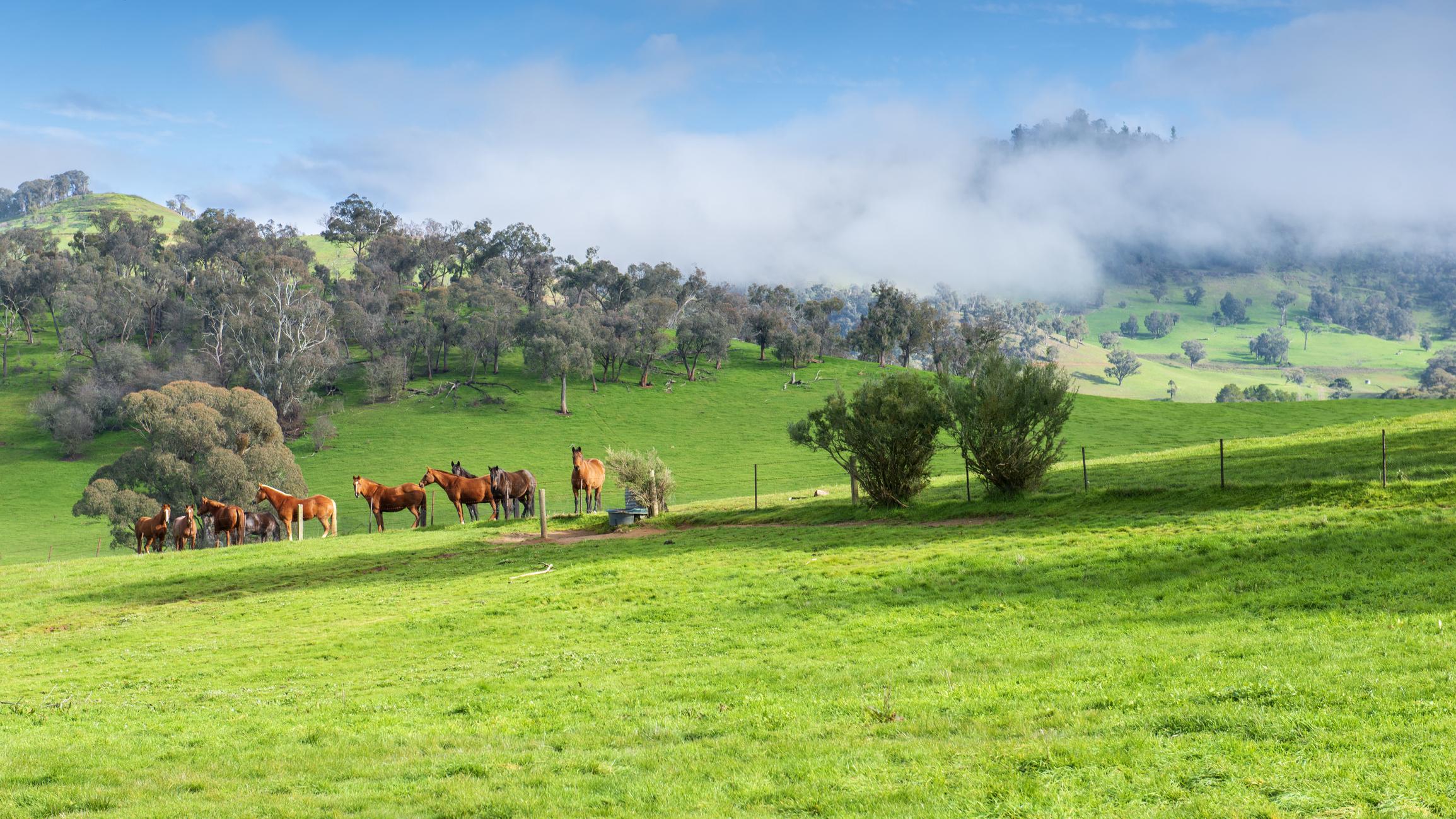
Breeding farms are an important part of the racing industry’s foundation. They provide settings where mares give birth and young horses begin developing before progressing to later stages of their careers. Owners and staff must manage nutrition, veterinary care, safe movement and suitable living conditions as the animals grow.
The physical environment is one part of that process. Good farm management considers pasture conditions, clean water, secure fencing, drainage and protection from extreme weather. The right arrangements vary according to the site, the season and each horse’s needs.
The people working on these farms also contribute to a horse’s early experience. Daily observation allows carers to monitor changes in behaviour, identify possible health concerns and ensure that young animals receive appropriate attention.
Although the racing public often celebrates pedigree and performance, a champion’s path is never guaranteed. Genetics can be influential, but individual health, training, management and circumstances also shape a horse’s development.
Looking at the landscape behind a successful racehorse helps broaden the racing story. It brings breeders, farm staff, veterinarians and the rural environment into a conversation that often focuses almost entirely on the final result.
The countryside is not merely a backdrop. It is part of the setting in which the industry prepares its next generation.
The takeaway: Every celebrated racehorse has a history of care and development, reminding us to appreciate the people and environments behind the sport.