
A racecourse is more than a track on which horses compete. It is also a carefully managed landscape, bringing together turf, buildings, spectator spaces, access routes and the surrounding environment.
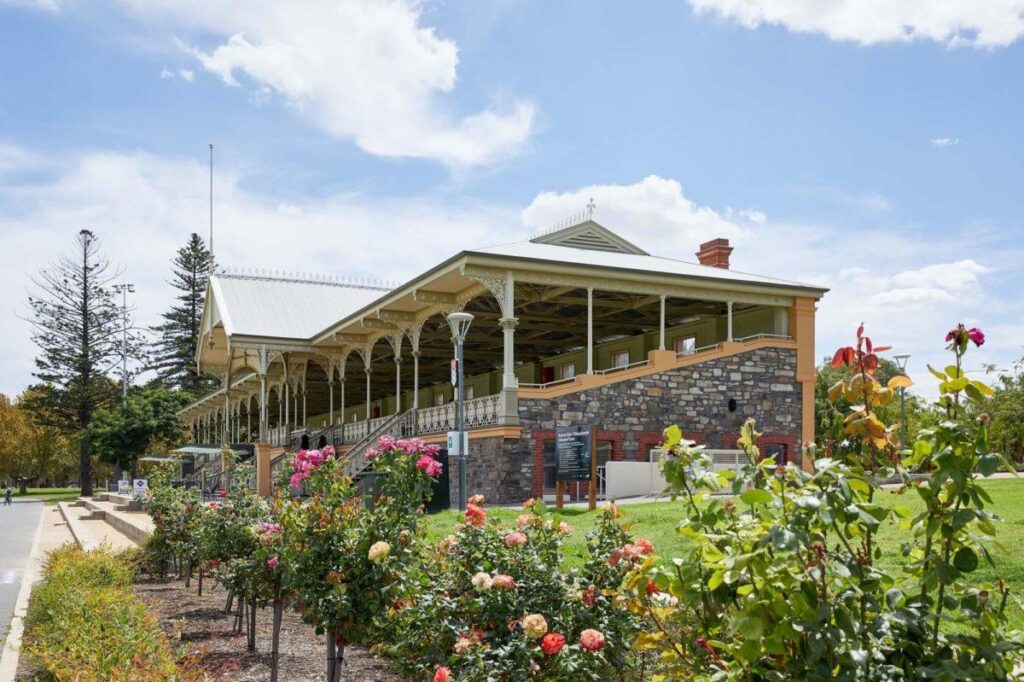
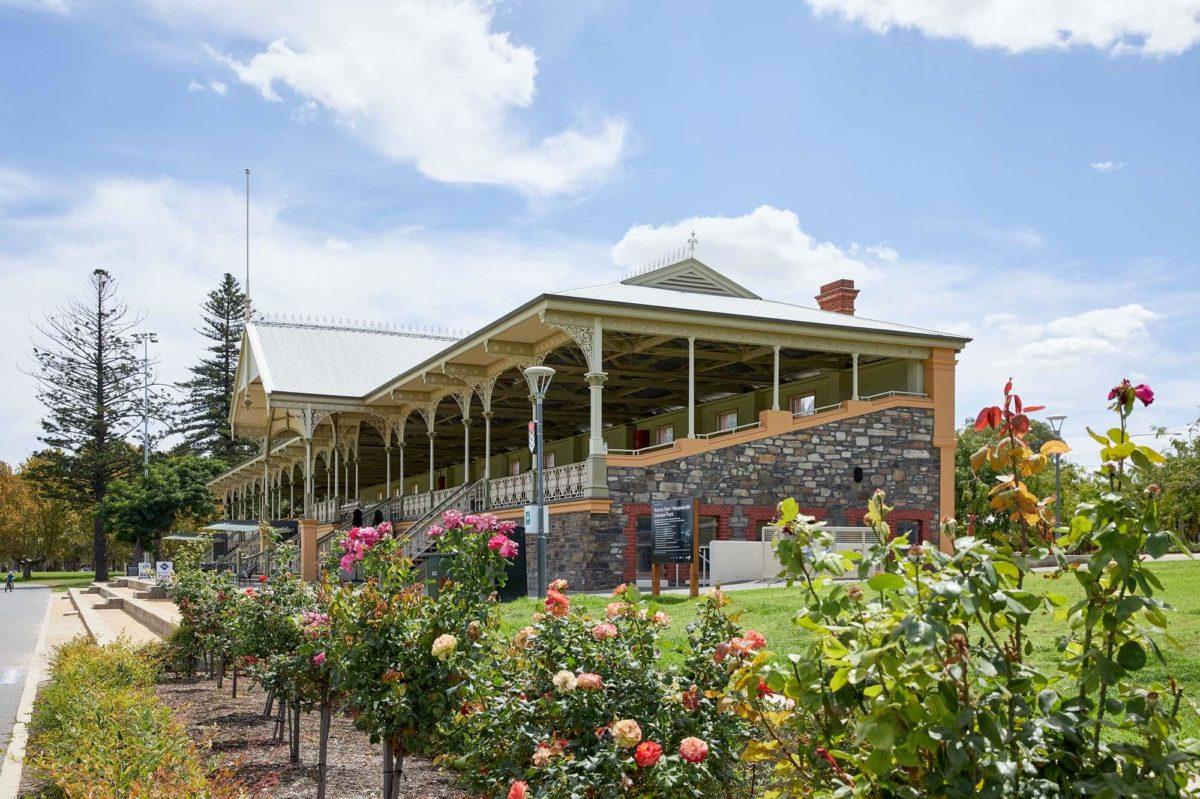
For spectators, the appeal of a racecourse can begin well before the first race. Mature trees, green lawns, garden beds and historic grandstands contribute to the atmosphere. Different venues have distinctive characters shaped by their locations, architecture and racing traditions.
Maintaining these spaces requires detailed planning. Grounds teams must consider the racing surface, drainage, soil condition and weather. Spectator areas also require attention to accessibility, safety and the upkeep of planted spaces.
Trees and landscaping may provide shade and improve the experience of people visiting a venue. At the same time, planting needs to account for visibility, maintenance, public movement and the needs of the racing surface. Landscape decisions must always work alongside the technical requirements of the sport.
The natural surroundings of a racecourse can also make each location different. Coastal venues, urban tracks and regional racing centres may each reflect the climate, vegetation and history of their communities.
A landscape-focused view of racing provides a fresh way to appreciate these venues. Instead of concentrating only on winning horses and race results, it explores the design, setting and people responsible for maintaining the place where competition happens.
Photography can capture this character particularly well, from early-morning preparations to quiet views of grandstands and lawns between events.
The takeaway: Racecourses combine sport, landscape management and heritage, making their physical settings an important part of the Australian racing experience.