
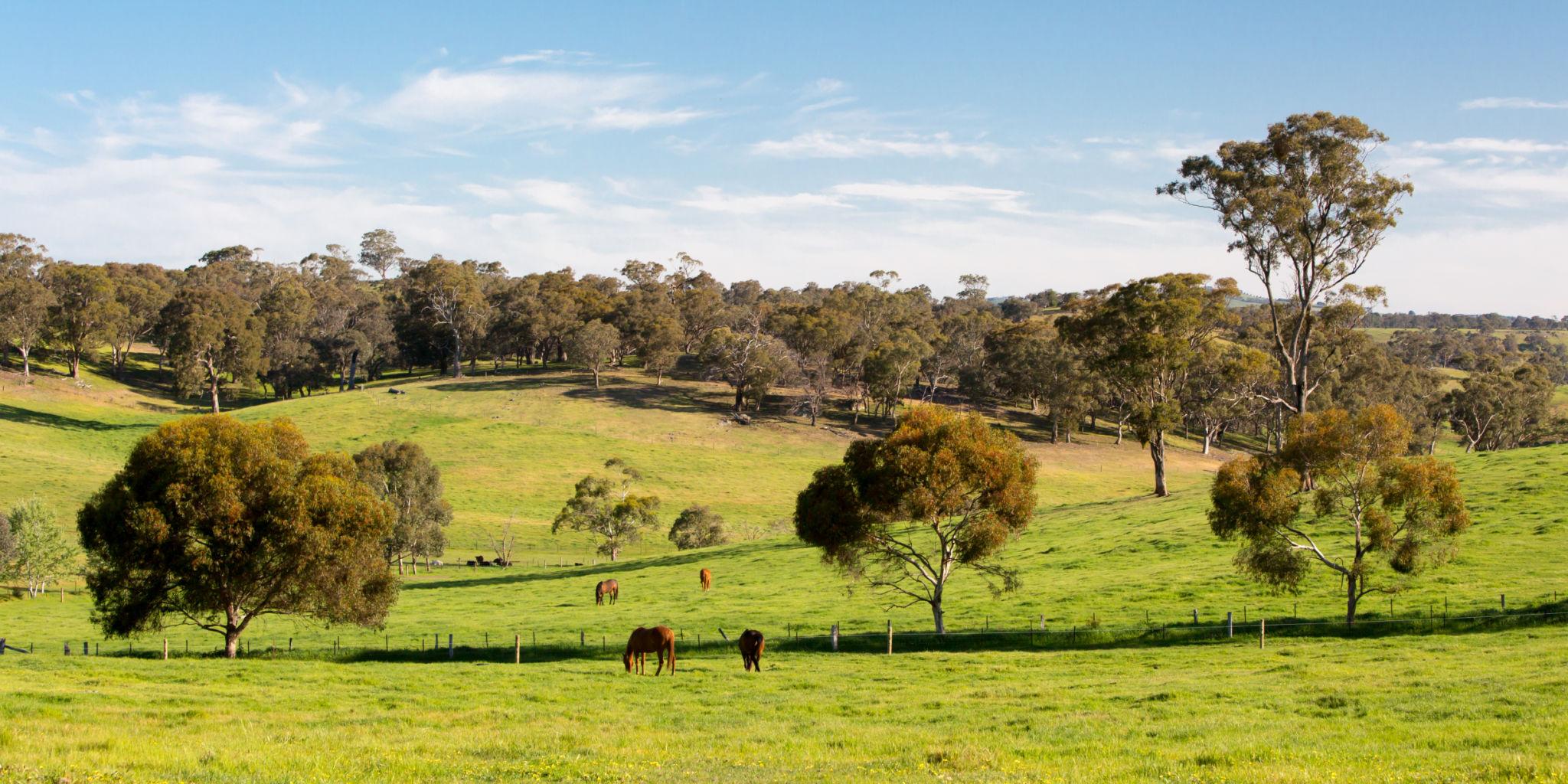
Horse properties are part of larger landscapes shared with birds, insects, reptiles and other wildlife. The way land is managed can influence how these species use the surrounding environment.
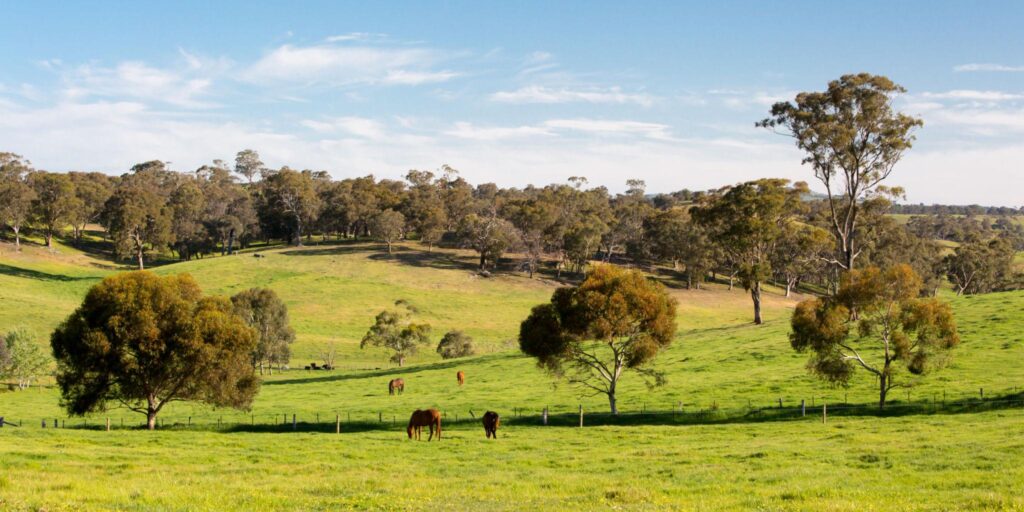
Native vegetation may provide food, shelter and nesting opportunities for local wildlife. Suitable trees and shrubs can also contribute to landscape diversity and help connect patches of habitat across agricultural areas.
However, creating a wildlife-friendly horse property requires careful planning. Horses need safe paddocks, reliable water, appropriate fencing and access to suitable feed. Some plants that benefit wildlife may be toxic to horses, making species selection especially important.
Property owners should also consider the movement of wildlife around fences, roads and water sources. Fencing designed for livestock may affect some native animals, so local wildlife guidance can be useful when planning changes. Water points and drainage systems should be managed to reduce hazards and avoid creating unhealthy conditions.
Pasture management is another important consideration. Overgrazing can damage vegetation and expose soil, while poorly managed runoff may affect nearby waterways. Rotational grazing and other management methods may help in some circumstances, although the right approach depends on the land and local conditions.
The aim is not to turn every horse property into a conservation reserve. Instead, it is to recognise that agricultural and equestrian land exists within a broader ecological setting.
Small, informed improvements can help property owners balance horse care with an awareness of the wildlife around them.
The takeaway: Responsible land management can support horse welfare while helping protect the wider natural environment shared by horses and native wildlife.