
Horse racing depends on people, horses and the places where the industry operates. As environmental awareness grows, racing organisations and horse properties have opportunities to examine how they use water, manage land and care for the landscapes surrounding their activities.
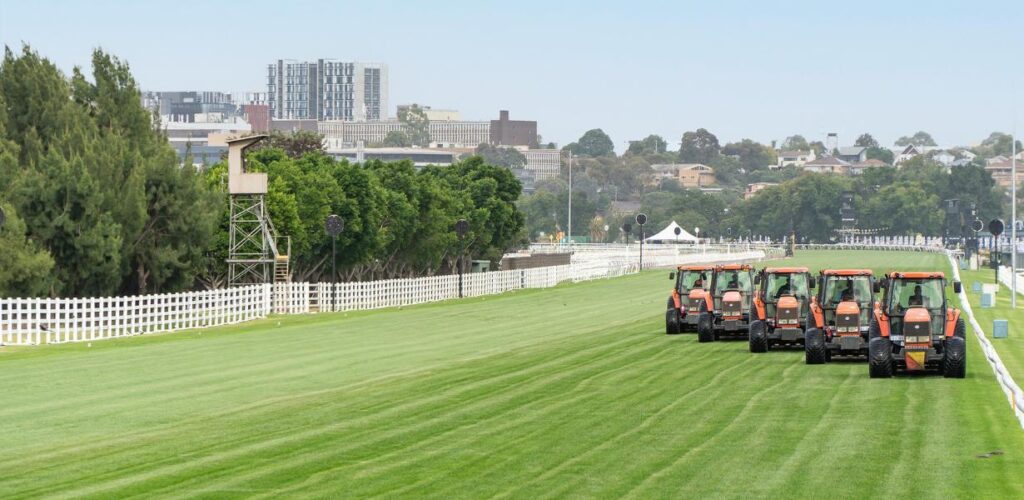
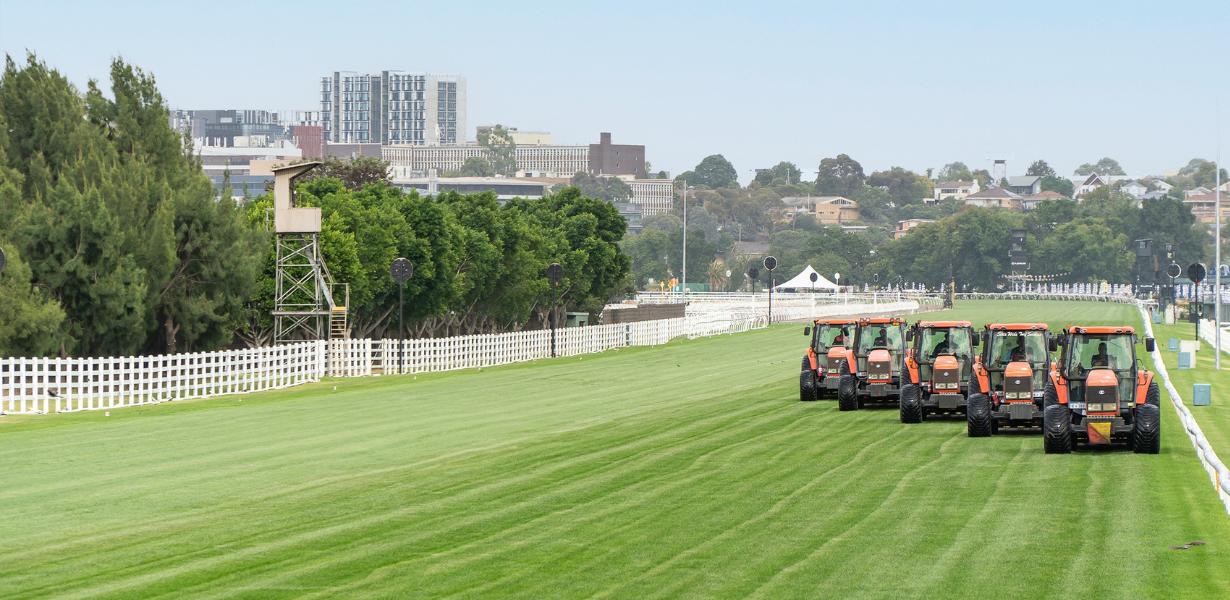
Racecourses can require substantial maintenance. Grounds teams work to maintain racing surfaces, manage drainage and keep facilities safe for horses and people. Water use, soil condition, waste management and energy consumption can all be relevant areas for environmental planning.
Horse farms face their own challenges. Maintaining pasture, managing manure, preventing erosion and protecting water sources require decisions tailored to the property and local conditions. Appropriate fencing and careful paddock management can also help protect vegetation and reduce damage to sensitive areas.
Trees and native planting may support shade, shelter and wildlife habitat where they are suitable and safe. However, environmental improvements need to be designed around horse welfare, plant toxicity, local climate and the practical requirements of the site.
There is no single sustainability measure that works for every racing venue or rural property. A dry inland location has different needs from a wet coastal region, and the challenges of a large racecourse differ from those of a small breeding farm.
The most useful approach is to assess each site, identify its main environmental pressures and measure the results of improvements over time.
Racing’s future can include greater attention to responsible resource use without losing sight of the welfare of the animals at its centre.
The takeaway: A greener racing industry begins with practical choices, informed planning and a commitment to caring for both horses and the environments in which they live and compete.