
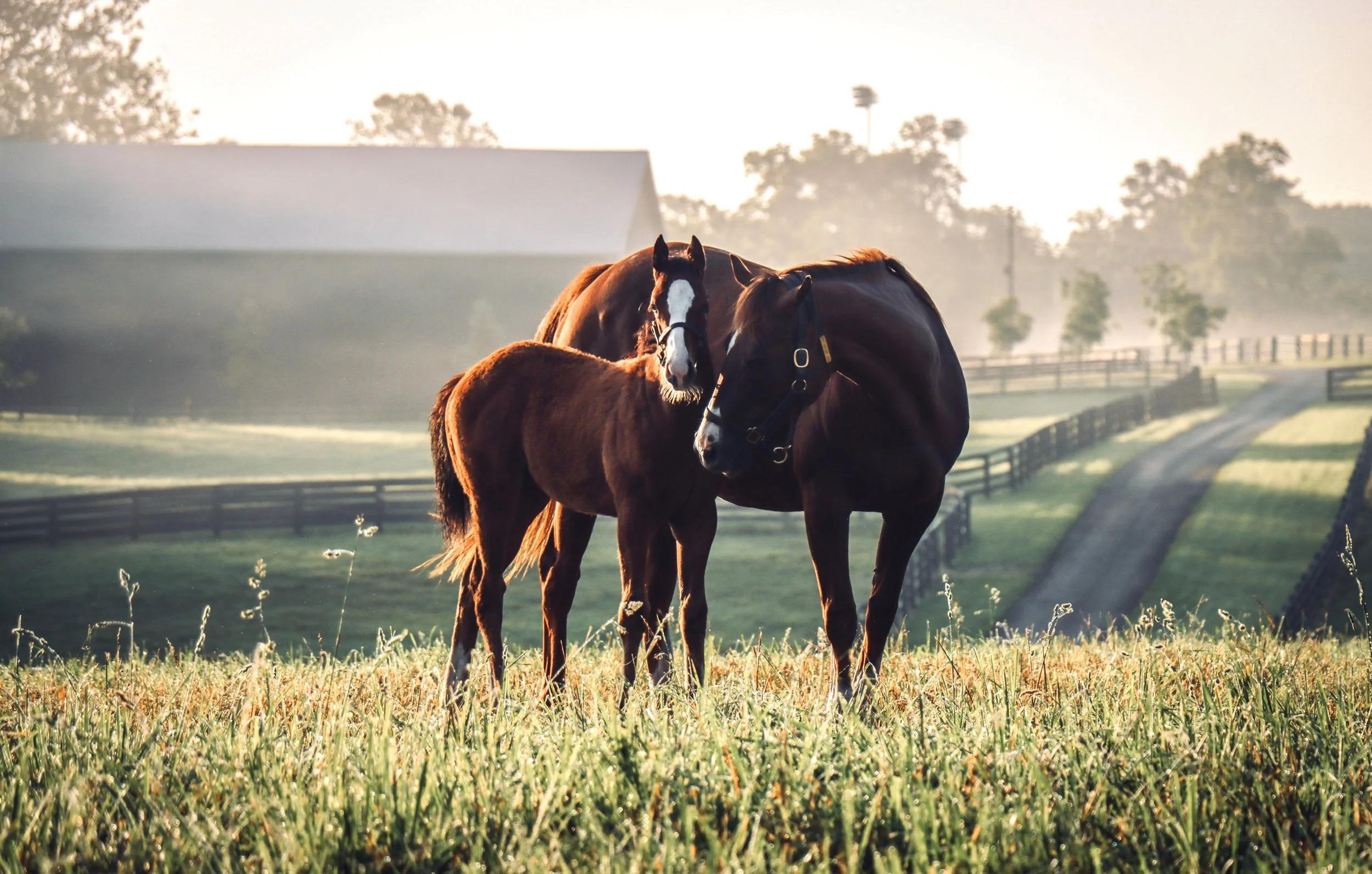
A thoroughbred’s journey begins long before its first appearance on a racecourse. It starts with breeding decisions, careful attention to the mare and foal, and the daily work that supports a young horse as it grows.
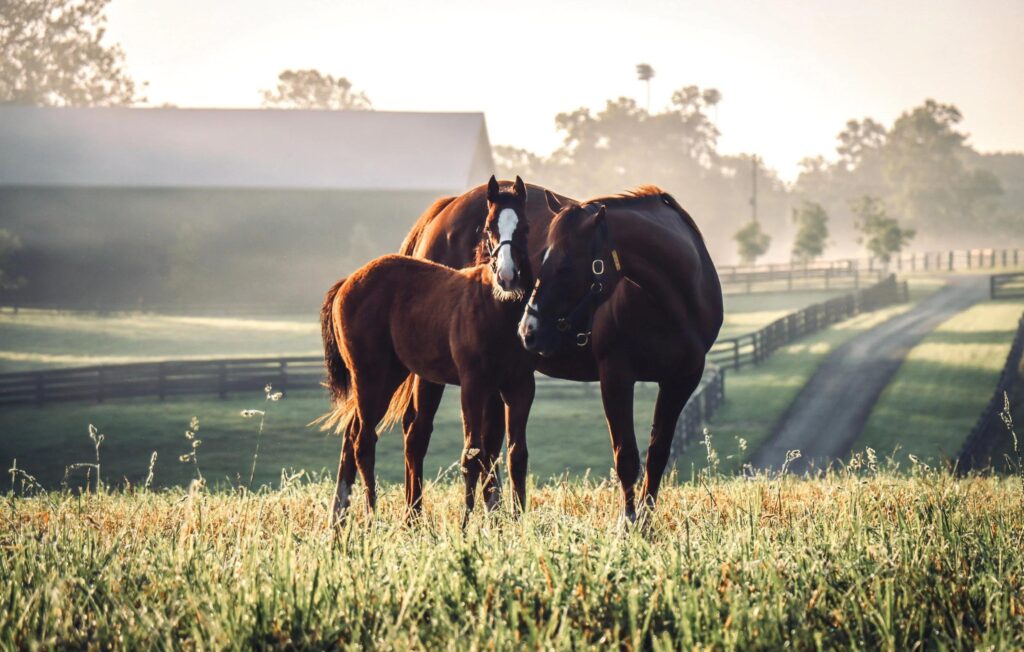
Breeding farms combine specialised knowledge with an understanding of animal behaviour and the surrounding environment. Foals require appropriate nutrition, veterinary attention, opportunities for movement and safe conditions in which to develop. The needs of each horse change as it matures, making attentive care essential throughout its early years.
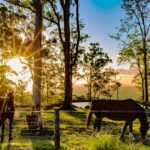
The landscape also matters. Pasture quality, water availability, fencing and shelter are important considerations when managing a breeding property. The suitability of grazing land depends on its condition, the horses using it and the way the farm is managed.
Trees and vegetation can improve the character of a farm, but planting around horses must be planned carefully. Some familiar ornamental and native plants can be poisonous to equines, so property owners need reliable veterinary or equine-safety guidance before introducing new species.
Thoroughbred bloodlines often attract public interest because racing families can carry remarkable histories. Yet genetics alone does not determine a horse’s future. Health, individual development, training, management and many unpredictable factors contribute to what happens later.
Understanding the early stages of a thoroughbred’s life helps reveal the work that sits behind the spectacle of racing. It also highlights the responsibilities involved in breeding and raising horses.
The takeaway: Every racing career starts with a living animal whose development depends on responsible breeding, attentive care and a suitable environment.