
For many Australians, horses represent far more than speed, competition and sporting excitement. They are connected to rural traditions, family memories, agricultural work and a deep appreciation for the outdoors.
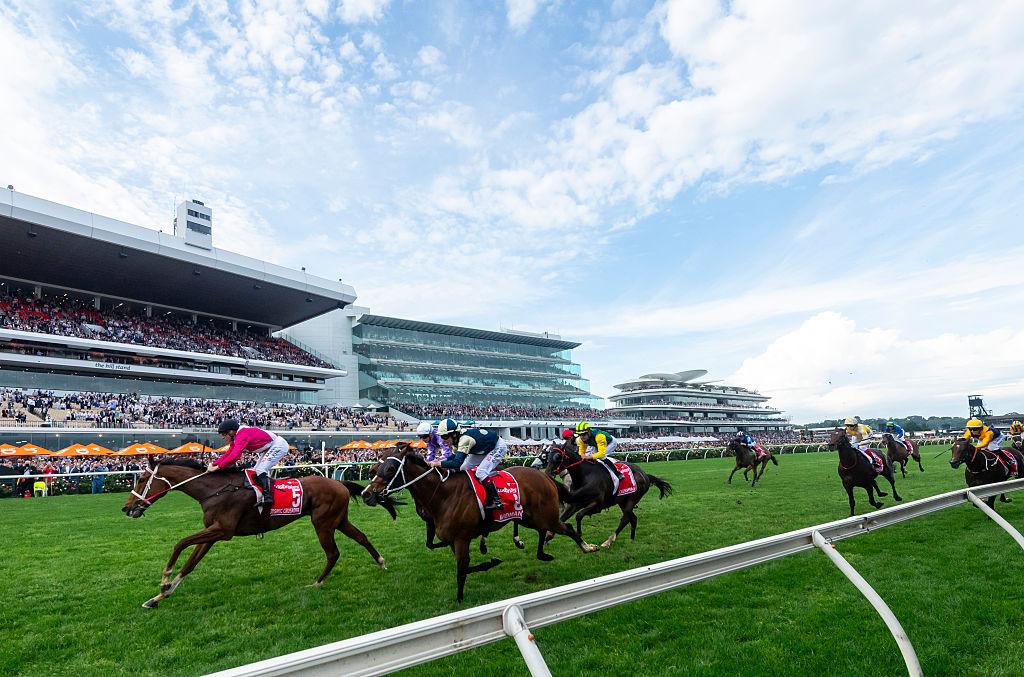
Horse racing remains one of the most visible expressions of this relationship. Race days bring together trainers, jockeys, owners, breeders, racing staff and spectators. Behind the excitement of competition is a much broader community whose work revolves around horses and their care.
Outside the racing industry, horses continue to play important roles in recreational riding, equestrian sports, trail riding and rural life. Their presence connects people with landscapes that might otherwise be experienced only from a road or a passing car.
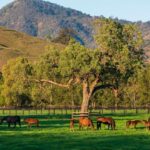
This is where nature adds another dimension to Australia’s horse culture. Open fields, country roads, mountain scenery and tree-lined paddocks provide the setting for many memorable equestrian experiences. The landscape becomes part of the story, creating a connection between people, animals and place.
Gardens and natural destinations offer another perspective on this relationship. They encourage visitors to slow down, observe their surroundings and appreciate the plants, trees and wildlife that make Australian environments distinctive.
Horse culture is not limited to the racecourse, and an appreciation of racing does not need to end when the horses leave the track.
By exploring the connections between horses, countryside and community, we can better understand why these animals continue to hold a special place in Australian life.
The takeaway: Australia’s love of horses is a story of sport, heritage, rural communities and a lasting connection with the natural world.